


Drug Safety in Pharmaceuticals 2026: Ultimate Guide to Protecting Patients & Ensuring Compliance

Drug Safety depends on clear frameworks: FDA 21 CFR 312.32 and 314.80 require rapid serious, unexpected reporting (7/15day timelines), EMA’s GVP modules define QPPV oversight and PSMF controls, and ICH E2E harmonizes risk management. WHO estimates medication-related harm costs about US$42 billion each year .

Pharmacovigilance operationalizes these rules by collecting ICSRs, running signal detection, and updating RMPs; 170+ countries participate in the WHO Programme for International Drug Monitoring (WHO‑UMC, 2023), enabling global trend detection and faster label changes and improving real-world benefit–risk decisions.

Table of Contents

What is Drug Safety in Pharmaceuticals?

Drug Safety in pharmaceuticals means teams prevent harm and improve patient outcomes. Teams test medicines, track side effects, and update labels quickly. Teams follow clear rules and document safety decisions.


Teams do these key actions:

  • Collect adverse event reports from patients and clinicians.
  • Review signals, then act fast to reduce risks.
  • Train staff and audit processes to meet safety timelines.

Fundamental Terms in Drug Safety

Drug safety teams track Adverse Events and document each patient report clearly. They create an ICSR with product, event, and outcome details. These terms help teams compare cases across sites.


Teams run Signal Detection to spot unusual patterns fast. They update the Risk Management Plan to reduce known and emerging risks. Clear terms guide training, reporting, and safer use every day for patients worldwide.

Classification of Drug Safety Related Topics

Category Focus Examples
Clinical safety
Monitor patients in trials
AEs, SAEs, lab changes
Postmarketing safety
Track real-world risks
Spontaneous reports, signals
Risk management
Reduce and communicate risks
RMP/REMS, label updates

Learning about Adverse Drug Reactions (ADRs) and How to Report Them

Learn ADR basics and act fast when patients report new symptoms. Use these steps to classify, document, and report ADRs correctly.

  • Step 1: Identifying and Classifying ADRs: Note timing, dose, severity, and seriousness.
  • Step 2: Proper ADR Documentation Procedures: Record patient details, drug history, and outcomes.
  • Step 3: Reporting ADRs According to Regulatory Guidelines: Then submit reports on time to FDA, EMA, or local authorities.
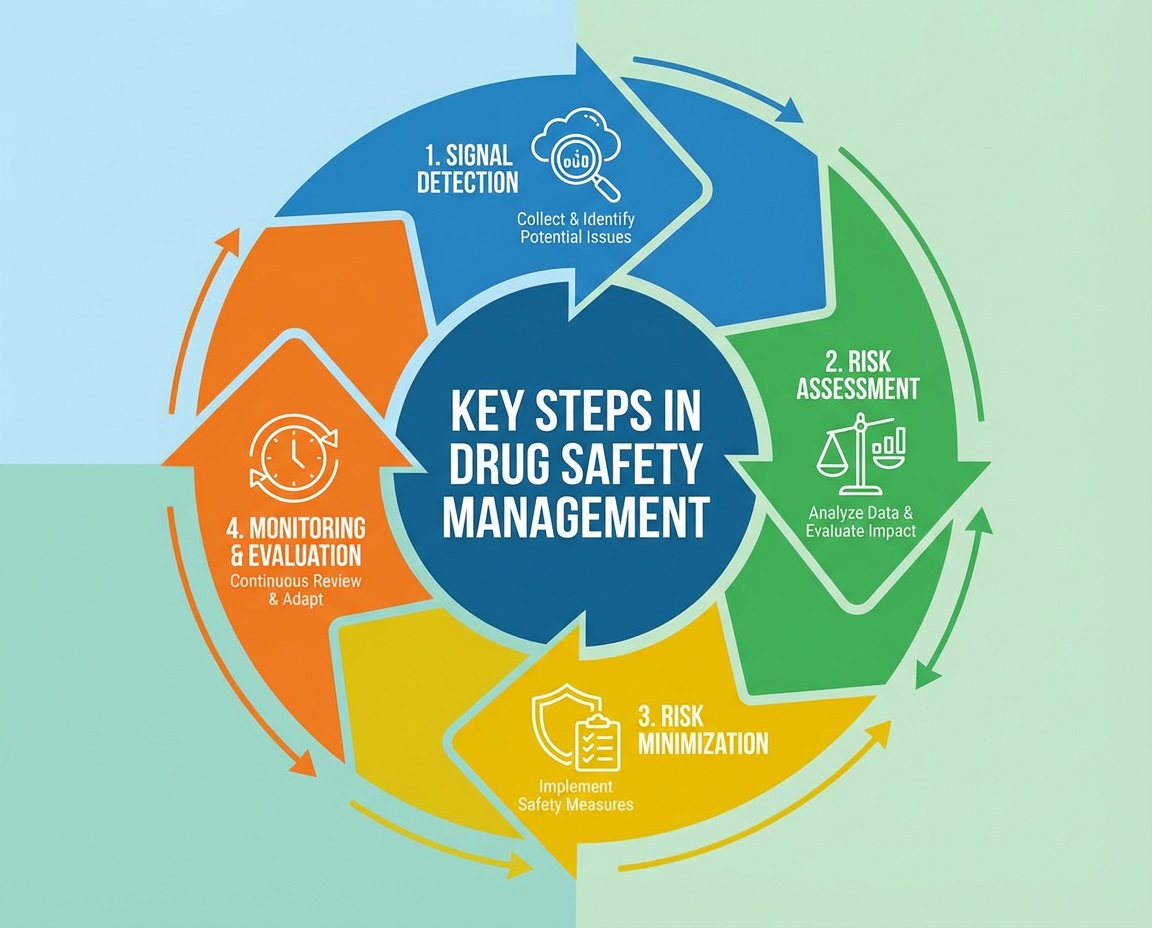
Key Steps in Drug Safety Management

Step 1: Identifying and Classifying ADRs

Clinicians identify ADRs by linking symptoms to a medicine and timing.  About 5% of hospital admissions relate to ADRs in many studies. Classify ADRs by seriousness, expectedness, and frequency in the label.  Then use MedDRA terms and causality tools like Naranjo for consistency.

Step 2: Proper ADR Documentation Procedures

Write ADR notes quickly and clearly in the patient record. Good documentation helps teams confirm causality and improve drug safety.

  • Record patient age, sex, allergies, and relevant history.
  • Add drug name, dose, route, start date, and stop date.
  • Then document reaction timing, severity, treatment, and outcome.

Step 3: Reporting ADRs According to Regulatory Guidelines

Report ADRs quickly to protect patients and improve medicine safety. Many regulators require rapid reporting for serious or unexpected reactions.

  • Collect key details: patient, drug, reaction, dates, and outcome.
  • Submit serious cases fast, often within 15 days.
  • Then use official portals like FDA MedWatch or EudraVigilance.

Key Regulatory Requirements and Compliance Related to Drug Safety

Drug safety rules protect patients and keep medicines on the market. Companies follow pharmacovigilance plans and track risks across a product’s lifecycle. They keep a quality system to train staff and control safety processes.

Regulators require timely reports and strong documentation. Then teams submit ICSR reports quickly for serious, unexpected events. They also write PSUR updates to summarize safety data and trends.

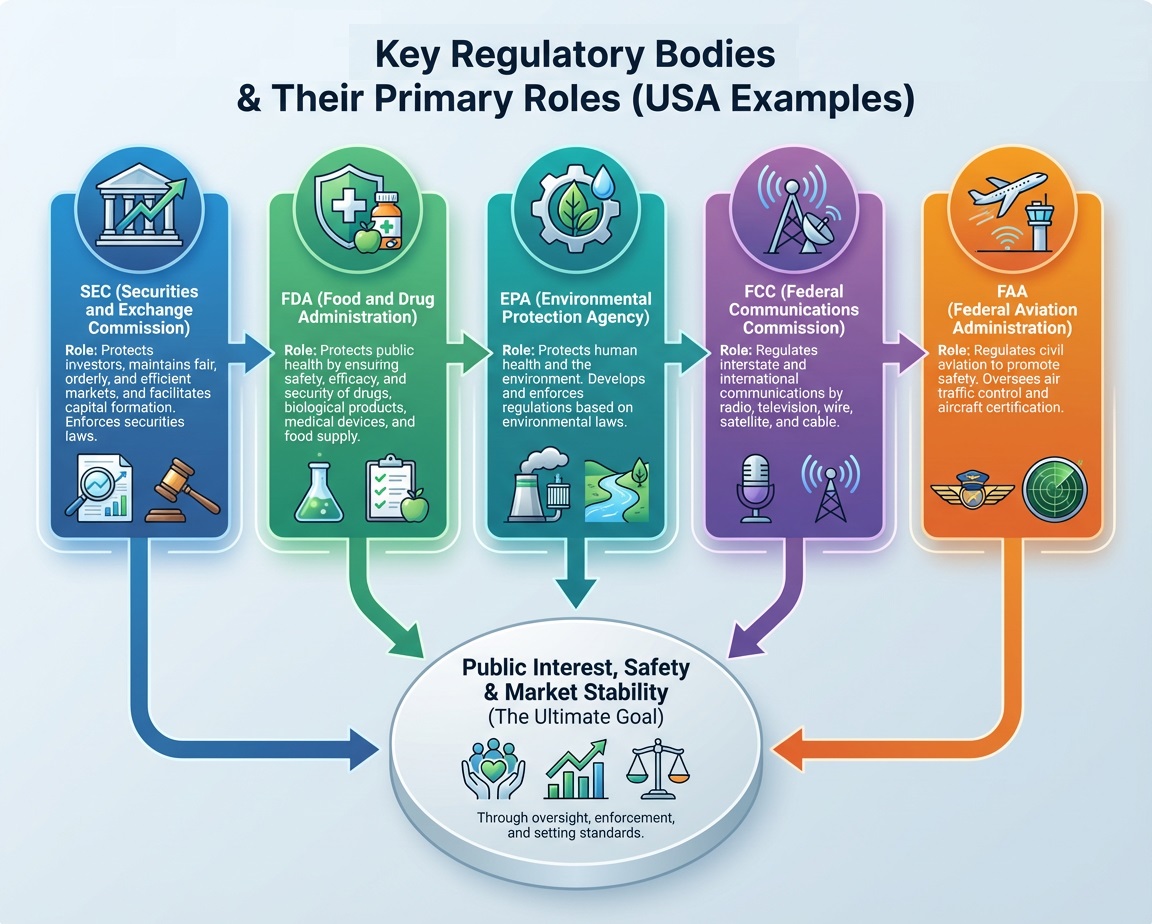
Overview of Regulatory Bodies and Their Roles

Major Drug Safety Guidelines and Standards-Download PDF

Major drug safety standards guide reporting, monitoring, and risk management worldwide. Follow ICH, FDA, and EMA rules to protect patients.  Use clear case reports and update safety plans regularly. Then review good pharmacovigilance practices to align daily work. 

Download the EMA GVP PDF here

Check deadlines, data fields, and audit trails before you submit reports.  Keep records, manage signals, and communicate new risks fast.

Compliance Challenges in the Pharmaceutical Industry

Pharma companies face strict rules for safety, quality, and marketing claims. 

Teams must track data across trials, factories, and real-world use.

However, gaps in systems and training delay compliant decisions. 

  • Staff misread guidelines and file reports late.
  • Silos block sharing between QA, PV, and manufacturing.
  • Vendors change processes without proper oversight.
  • Poor documentation fails audits and triggers warning letters.
  • Cyberattacks disrupt systems and expose data.

Investigating Risk Management Plans and Safety Risk Minimization Strategies

Risk management plans help teams find, measure, and reduce drug risks.  Teams review reports, studies, and patient feedback to spot new hazards. Then teams choose strategies that lower harm and support safe use. 

– Add clear warnings and contraindications on labels. 

– Train prescribers and counsel patients on key risks. 

– Limit access through controlled distribution programs. 

– Monitor labs and follow-up visits for early signals.

Final Words

Drug Safety starts with timely adverse event reporting to FDA under 21 CFR 314.80 and 600.80. Submit serious, unexpected cases within 15 days, and follow periodic reporting schedules. Use MedWatch Form 3500A and review FAERS trends to detect signals and update labeling.

quality assurance supports compliance through GMP controls in 21 CFR 210 and 211, plus risk management in ICH Q9. Build a quality system aligned with ICH Q10, validate critical processes, and maintain data integrity under FDA’s ALCOA+ expectations. Recommended references: FDA cGMP guidance portal, FDA pharmacovigilance guidance, and ICH E2E.

FAQs

1️⃣ What is drug safety in pharmaceuticals?

Drug safety means monitoring, evaluating, and reducing medicine-related risks across clinical trials and post-marketing use. It includes adverse event collection, case assessment, signal detection, and risk communication to support better benefit–risk decisions.

2️⃣ When must serious and unexpected adverse reactions be reported to FDA?

For investigational products, sponsors must report unexpected fatal or life-threatening suspected adverse reactions to FDA within 7 calendar days. Other serious and unexpected suspected adverse reactions under IND rules must be reported within 15 calendar days, and postmarketing serious, unexpected adverse drug experiences also have a 15-day reporting requirement.

3️⃣ Why are the QPPV and PSMF important in pharmacovigilance?

They help companies maintain a controlled pharmacovigilance system. EMA GVP Module I explains the pharmacovigilance system and quality system expectations, while EMA’s pharmacovigilance system Q&A points readers to the PSMF requirements and related GVP modules.

References

Picture of Ershad Moradi

Ershad Moradi

Ershad Moradi, a Content Marketing Specialist at Zamann Pharma Support, brings 6 years of experience in the pharmaceutical industry. Specializing in pharmaceutical and medical technologies, Ershad is currently focused on expanding his knowledge in marketing and improving communication in the field. Outside of work, Ershad enjoys reading and attending industry related networks to stay up-to-date on the latest advancements. With a passion for continuous learning and growth, Ershad is always looking for new opportunities to enhance his skills and contribute to pharmaceutical industry. Connect with Ershad on Facebook for more information.

Pharmaceutical process validation metrics showing process capability analysis pharma Cp Cpk, control chart application pharmaceutical GMP, and batch variability analysis pharma in a modern validation and quality control environment.

Process Validation statistics in 2026: GMP data analysis guide

This article explains how pharmaceutical process validation metrics and statistical tools improve GMP compliance through Cp Cpk analysis, control charts, and PPQ batch performance statistics. It highlights how data-driven validation increases process stability, reduces variability, and supports inspection readiness.

Read More »
Technician performing pharmaceutical HVAC validation with focus on HEPA filter integrity testing, cleanroom differential pressure control, and environmental monitoring as part of cleanroom HVAC qualification ISO 14644 and GMP compliance.

HVAC validation in pharma in 2026: GMP & ISO 14644 guide

This article explains HVAC validation in pharmaceutical cleanrooms, covering IQ OQ PQ qualification stages, HEPA filter integrity testing, and environmental monitoring. It highlights how GMP requirements and ISO 14644 standards ensure contamination control and consistent sterile manufacturing performance.

Read More »
Laboratory scene illustrating ISO 9000 pharma compliance with GMP quality standards, showing documentation control, CAPA system processes, and internal audit pharmaceutical GMP practices aligned with regulatory compliance pharma requirements.

ISO 9000 in pharma industry in 2026: GMP compliance guide

This article explains how ISO 9000 in pharma industry strengthens GMP compliance by improving documentation control, CAPA systems, and internal audit effectiveness. It highlights key regulatory compliance pharma practices that enhance inspection readiness and reduce pharmaceutical quality management system gaps.

Read More »

Share