


A Hold Time Study is crucial in pharmaceutical manufacturing to establish the maximum allowable time a substance can remain in a specific state without compromising its quality. These studies are essential for Active Pharmaceutical Ingredients (APIs), intermediates, bulk products, and even equipment. It is imperative that hold time limits are derived from robust scientific data, rather than arbitrary assumptions. Extended delays between critical manufacturing steps can significantly increase the risk of microbial contamination, chemical degradation, and overall product variability. Do you have any recent statistics or data on the typical hold times observed in successful pharmaceutical manufacturing processes?
Adherence to Good Manufacturing Practices (GMP) mandates the rigorous execution of hold time studies. GMP guidelines require that all processes, including holding periods, are validated and controlled to ensure consistent product quality.
Table of Contents
What is Hold Time Study?
A Hold Time Study in the pharma industry checks how long materials or products remain stable. It helps companies ensure quality during delays or storage periods. This study tests product safety and effectiveness over specific times. Next, the results guide storage and processing decisions to prevent quality loss.
Key points about Hold Time Study:
- Identify safe storage durations for raw materials and intermediates.
- Test products at defined intervals for quality changes.
- Use data to set limits for processing or storage times.
- Prevent contamination or degradation during hold periods.
Why are Hold Time Studies Important?
Hold Time Studies are important because they ensure products stay safe and effective. They help companies avoid quality issues during storage or delays in production. For example, a company tested how long a drug raw material stays stable before use. Then, they set limits to prevent using materials that lose quality.
Additionally, Hold Time Studies support regulatory compliance and patient safety. They reduce risks like contamination or chemical changes in products. Moreover, these studies improve manufacturing processes by identifying safe handling times.
Different Hold Time Studies in Pharma
Pharma companies use different Hold Time Studies to ensure product quality at each stage. These studies test how long materials stay stable under various conditions. Therefore, companies choose the right study type based on the product and process needs.
Here are four common Hold Time Studies:
- Number 1 Dirty Hold Time Study checks materials in non-sterile conditions.
- Number 2 Clean Hold Time Study tests stability in sterile environments.
- Number 3 Bulk Hold Time Study measures the stability of large material batches.
- Number 4 Intermediate Hold Time Study assesses partially processed products between stages.
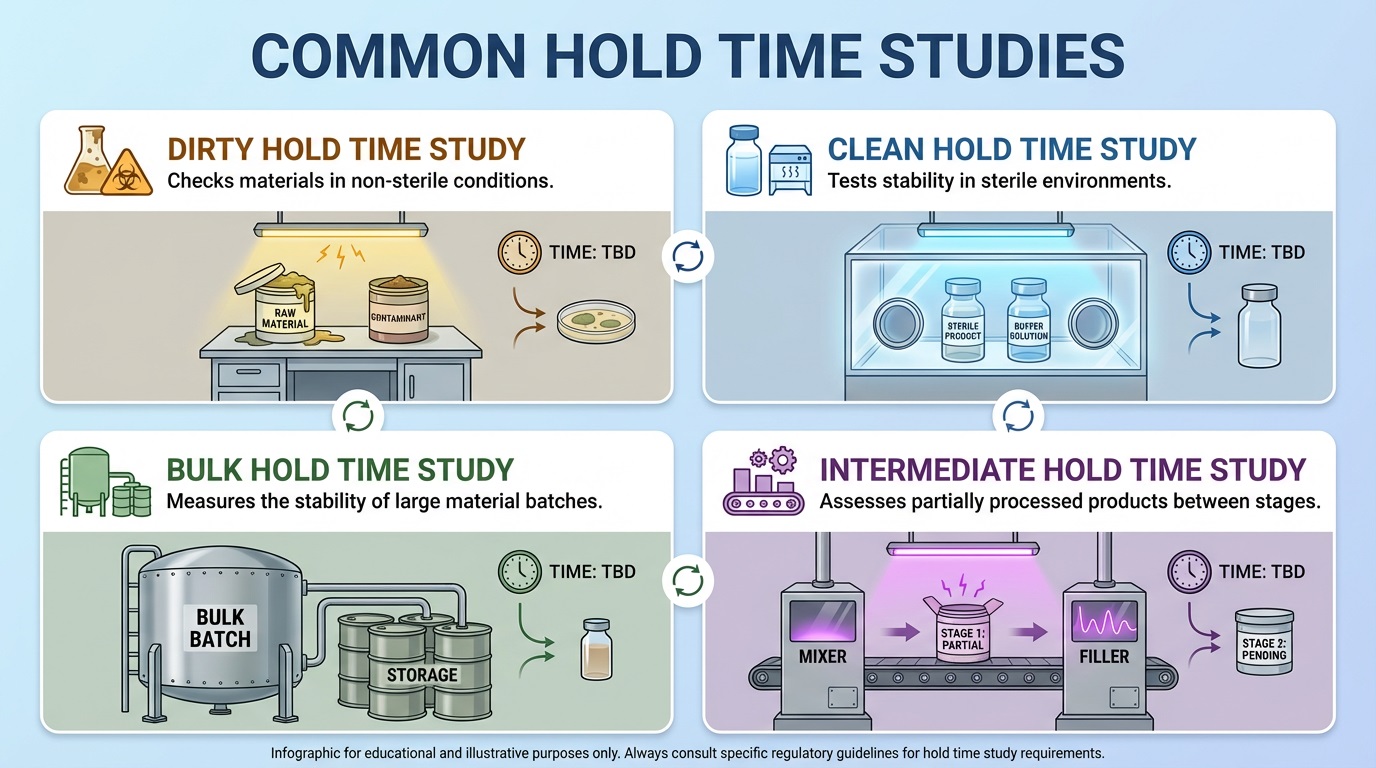
Number 1 Dirty Hold Time Study
A Dirty Hold Time Study tests materials stored in non-sterile areas to ensure safety. The FDA warns companies with 483 observations when they ignore proper hold times. These studies help avoid contamination and maintain quality during storage delays.
Therefore, companies conduct Dirty Hold Time Studies to meet FDA standards and prevent violations.
Number 2 Clean Hold Time Study
A Clean Hold Time Study checks materials stored in sterile environments to prevent contamination. It helps companies keep products safe during processing delays. Moreover, FDA guidelines emphasize these studies to maintain product quality.
This study often focuses on:
- Sterile drug products
- Aseptic processing areas
- Sterile packaging materials
- Controlled clean rooms
These factors ensure the product stays safe and effective.
Number 3 Bulk Hold Time Study
A Bulk Hold Time Study checks the stability of large product batches during storage. It helps companies ensure quality before final processing. Also, this study prevents contamination and degradation.
Key factors include:
– Storage temperature
– Humidity control
– Batch size
– Duration of storage
These factors keep bulk products safe and effective.
Number 4 Intermediate Hold Time Study
An Intermediate Hold Time Study tests materials during processing pauses to maintain quality. It helps companies control contamination and ensure product safety. Also, it supports compliance with FDA regulations.
Important aspects include:
- Holding duration
- Environmental conditions
- Material stability
- Process steps
These factors protect products during intermediate storage.
Hold Time Study Type vs Sample Type vs Test Parameter
| Hold Time Study Type | Sample Type | Test Parameter |
|---|---|---|
|
Clean Hold Time Study |
Sterile Product |
Microbial Contamination |
|
Bulk Hold Time Study |
Bulk Material |
Chemical Stability |
|
Intermediate Hold Time Study |
In-process Material |
Physical Appearance |
Key Steps to Perform Hold Time Studies in Pharma
To perform Hold Time Studies in pharma, start by defining the study’s scope clearly. Next, set hold times and sampling points carefully. Also, establish acceptance criteria for each test to ensure safety and quality.
Then, perform sampling and testing as planned. Finally, review data and document conclusions thoroughly. These steps help maintain product quality and regulatory compliance.
- Step 1: Define the Scope of the Study
- Step 2: Set Hold Times and Sampling Points
- Step 3: Establish Acceptance Criteria
- Step 4: Perform Sampling and Testing
- Step 5: Review Data and Document Conclusions
Step 1 Define the Scope of the Study
Define the product, process, and materials involved. Consider:
- Material types
- Process stages
- Storage conditions
- Regulatory requirements
- Study objectives
Step 2 Set Hold Times and Sampling Points
Determine time limits and where to collect samples. Include:
- Maximum hold durations
- Sampling intervals
- Critical control points
- Environmental factors
- Risk assessment
Step 3 Establish Acceptance Criteria
Set clear quality limits for testing. Cover:
- Physical and chemical parameters
- Microbial limits
- Stability thresholds
- Regulatory standards
- Documentation requirements
Step 4 Perform Sampling and Testing
Collect and test samples per the plan. Focus on:
- Proper techniques
- Testing methods
- Sample handling
- Accurate data recording
- Compliance with SOPs
Step 5 Review Data and Document Conclusions
Analyze results and finalize reports. Include:
- Data trends
- Deviations and causes
- Corrective actions
- Final acceptance/rejection
- Regulatory filing
Common Challenges in Hold Time Studies
Common challenges in Hold Time Studies include maintaining sample integrity and controlling environmental conditions. For example, up to 15% of batches fail due to improper storage during hold times. Also, inconsistent sampling methods cause unreliable test results. Therefore, companies must standardize procedures to improve accuracy and compliance.
Moreover, limited shelf-life data complicates defining hold times. Studies show nearly 20% of delays result from unclear hold time protocols. Proper training and documentation help overcome these issues and ensure product quality.
Common Hold Time Study Failures and Root Causes
| Common Hold Time Study Failures | Root Causes |
|---|---|
|
Product degradation |
Improper storage temperature |
|
Microbial contamination |
Inadequate cleaning or handling |
|
Incorrect sampling |
Non-representative or inconsistent methods |
|
Data recording errors |
Poor documentation practices |
|
Failure to meet acceptance criteria |
Incomplete or inaccurate test procedures |
Final Word
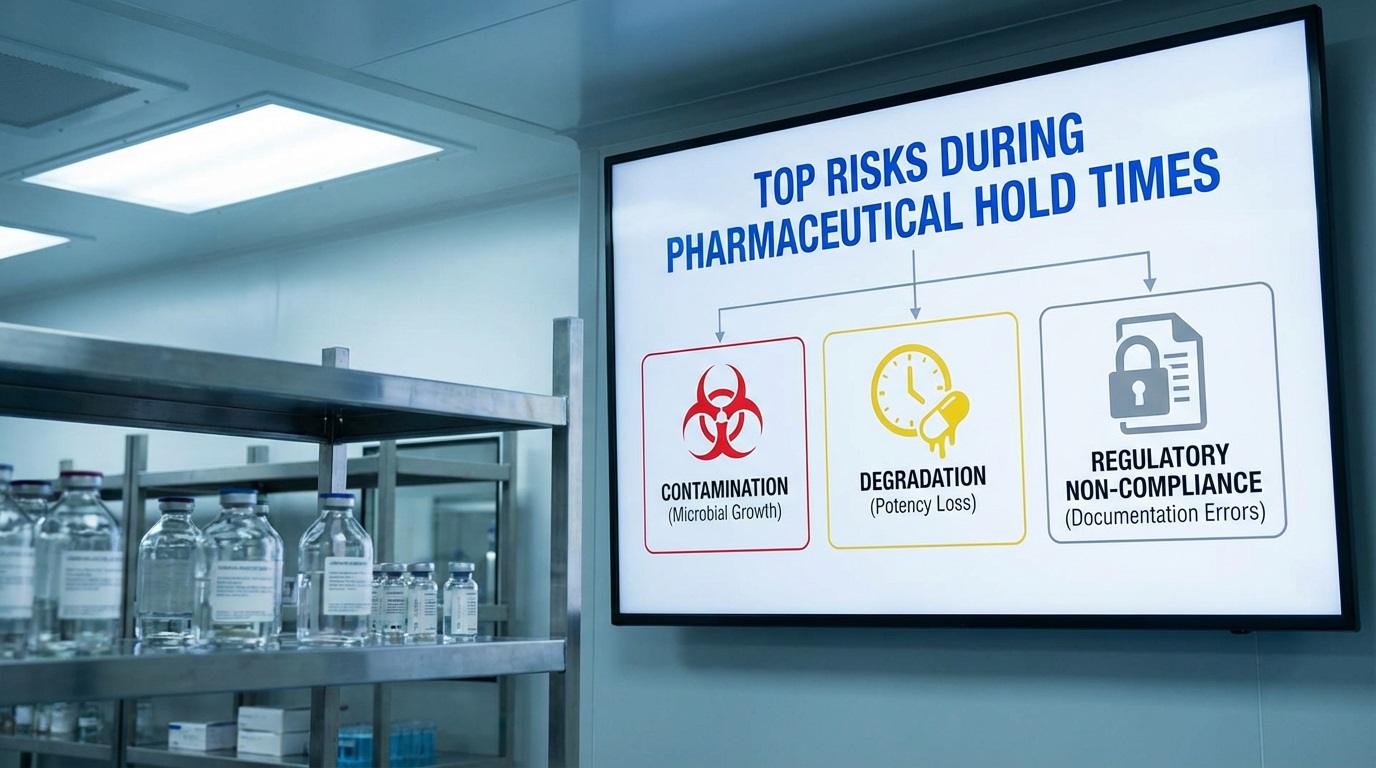
Weak hold time control can cause deviations, rejected batches, and negative audit findings. Therefore, companies must prioritize thorough hold time studies to maintain product quality.
Remember, these studies are not stand-alone—they should integrate into a broader quality risk management system. By doing so, manufacturers can prevent quality issues, comply with regulations, and enhance overall process reliability, ultimately safeguarding patient safety and company reputation.
FAQs
A Hold Time Study determines how long materials remain stable without losing quality during manufacturing delays.
They help meet GMP requirements by validating storage and processing times, avoiding FDA 483 observations.
Common types include Dirty, Clean, Bulk, and Intermediate Hold Time Studies.

Ershad Moradi
Ershad Moradi, a Content Marketing Specialist at Zamann Pharma Support, brings 6 years of experience in the pharmaceutical industry. Specializing in pharmaceutical and medical technologies, Ershad is currently focused on expanding his knowledge in marketing and improving communication in the field. Outside of work, Ershad enjoys reading and attending industry related networks to stay up-to-date on the latest advancements. With a passion for continuous learning and growth, Ershad is always looking for new opportunities to enhance his skills and contribute to pharmaceutical industry. Connect with Ershad on Facebook for more information.
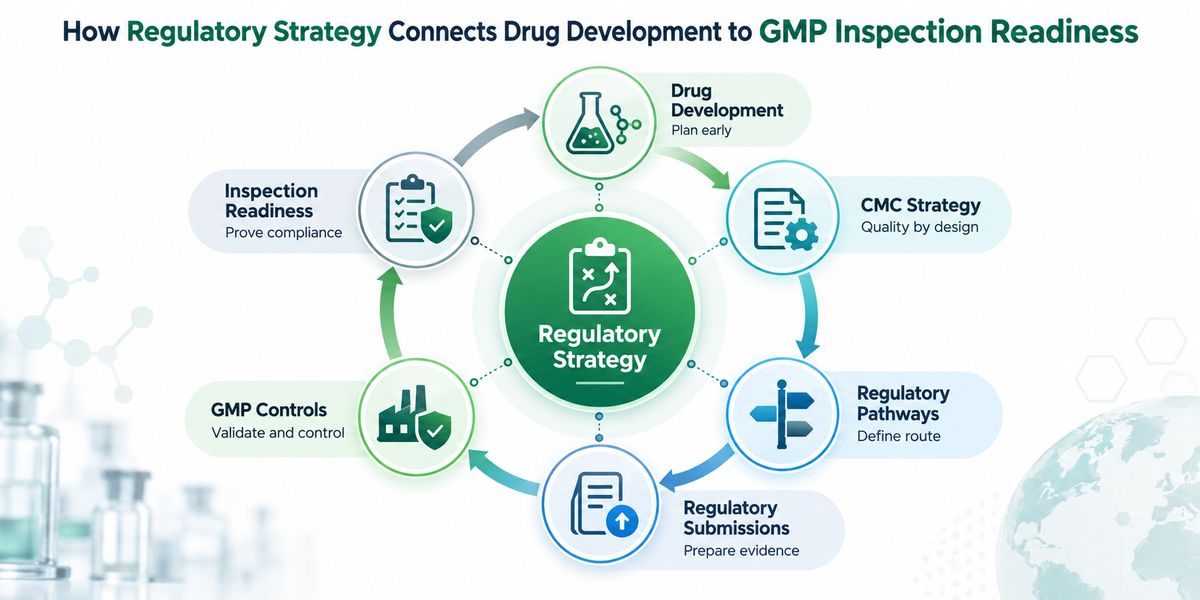
Regulatory Strategy in Pharma in 2026: From Drug Development to GMP Inspection Readiness
Effective regulatory planning connects drug development, CMC, submissions, manufacturing, and lifecycle obligations. This article explains how regulatory teams can reduce compliance gaps, prepare for inspections, manage post-approval changes, and make better decisions across the pharmaceutical product lifecycle.

Alison vs Pharmuni in 2026: Free Learning at Scale or a Guided Pharma Career System?
Alison offers 6,000+ free courses plus career tools and recruitment. Pharmuni is smaller but pharma-focused, with role assessments, Career Paths, CV tools, and 1,000+ life-science jobs.

Udemy vs Pharmuni in 2026: One Course Fast or a Full Pharma Career Path?
Udemy makes it easy to buy a specific self-paced course from a huge marketplace. Pharmuni takes a different approach, connecting pharma learning with assessments, Career Paths, competency visibility, CV tools, and job matching.