

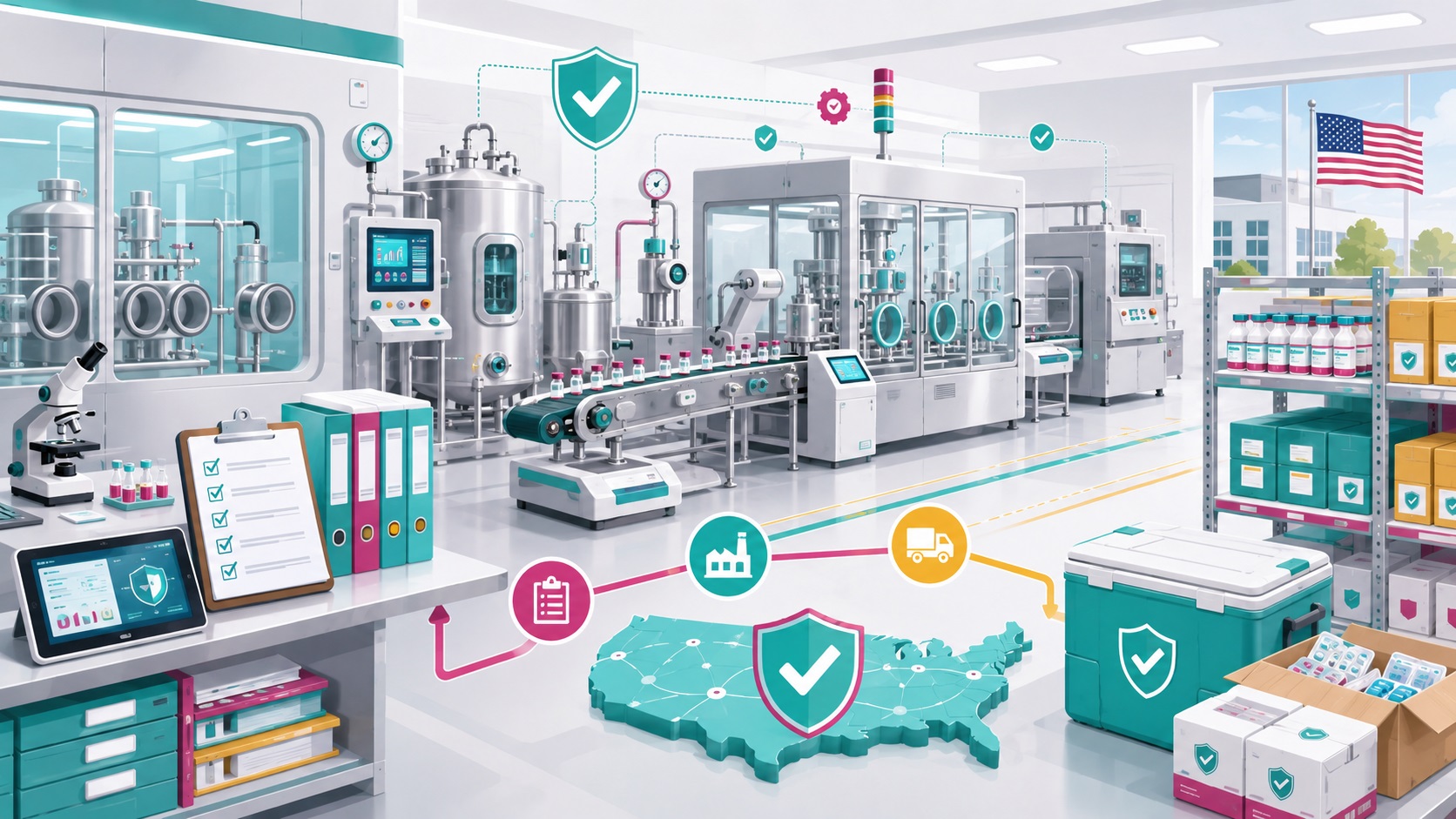
The FDA’s PreCheck Pilot Program supports new U.S. pharmaceutical manufacturing facilities by giving selected companies earlier engagement with the agency. The program aims to increase regulatory predictability, support facility construction, and streamline parts of pharmaceutical manufacturing facility assessment before a specific product application. FDA says it will select an initial cohort and begin PreCheck activities in 2026. This creates a strong career signal for professionals with GMP, validation, equipment qualification, sterile production, documentation, and quality systems skills.
What Is FDA PreCheck?
FDA PreCheck is a pilot program for new pharmaceutical manufacturing facilities. It allows selected companies to communicate with FDA earlier during facility development. This matters because many compliance problems start long before commercial production begins.
A facility must consider quality from the beginning. Cleanroom design, equipment flow, material movement, documentation systems, data systems, contamination control, and validation planning all shape future inspection outcomes.
FDA announced that it would begin accepting applications on February 1, 2026. The program aims to strengthen the domestic pharmaceutical supply chain. It supports regulatory predictability for U.S. manufacturing sites. FDA expects final pilot participant selections by June 30, 2026.
This means manufacturing jobs may not only appear after factories open. Many roles can appear during design, setup, qualification, validation, and pre-production readiness.
Why FDA PreCheck Matters for Pharma Job Seekers
The emotional message is clear: The factory is not built on hiring day.
Companies need trained people before the first commercial batch. They need specialists who understand how regulated facilities work and how quality systems protect medicine safety.
For immigrant pharmacists, engineers, and life science graduates, this is important. Many manufacturing roles focus on technical skills rather than direct patient-facing licensure. Therefore, candidates can enter pharma through quality, production, validation, documentation, and operations pathways.
Roles That May Grow
These roles require practical knowledge. A candidate must understand SOPs, batch records, deviations, quality risks, and inspection expectations.
Skills Candidates Must Add to Their CV
A strong CV should speak the language of pharma manufacturing. General science experience is useful, but it needs translation into job-specific language.
Interview Points Candidates Should Prepare
Candidates should prepare answers for practical interview questions.
Examples include:
- What is GMP?
- Why is documentation important in manufacturing?
- What is equipment qualification?
- What is the difference between IQ, OQ, and PQ?
- How do you handle a deviation?
- What makes a CAPA effective?
- Why does data integrity matter?
- How does validation support patient safety?
These questions are common because employers need people who can think inside a regulated environment.
Career Warning for Immigrant Professionals
Update your CV before the factory jobs appear. If candidates wait until the job market becomes crowded, stronger applicants may move first.
A pharmacist, chemist, biologist, or engineer can build a powerful pharma career. However, they must show that they understand manufacturing reality. The best candidates connect science with compliance, safety, and production discipline.
Use Pharmuni’s free Professional Profile feature to prepare your pharma CV. Our AI reviews your CV, suggests improvements, and helps you highlight the right keywords for manufacturing, QA, QC, and validation roles.
Read more on Pharmuni:
Build Your Pharma Resume