

Reuters reported on June 2, 2026, that the US FDA proposed new draft guidance. The guidance supports faster cell and gene therapy development for rare diseases. It focuses on rare and life-threatening conditions with limited treatment options. Developers may use prior CMC, nonclinical, and clinical knowledge from relevant products. This could reduce repeated studies and support faster regulatory submissions.
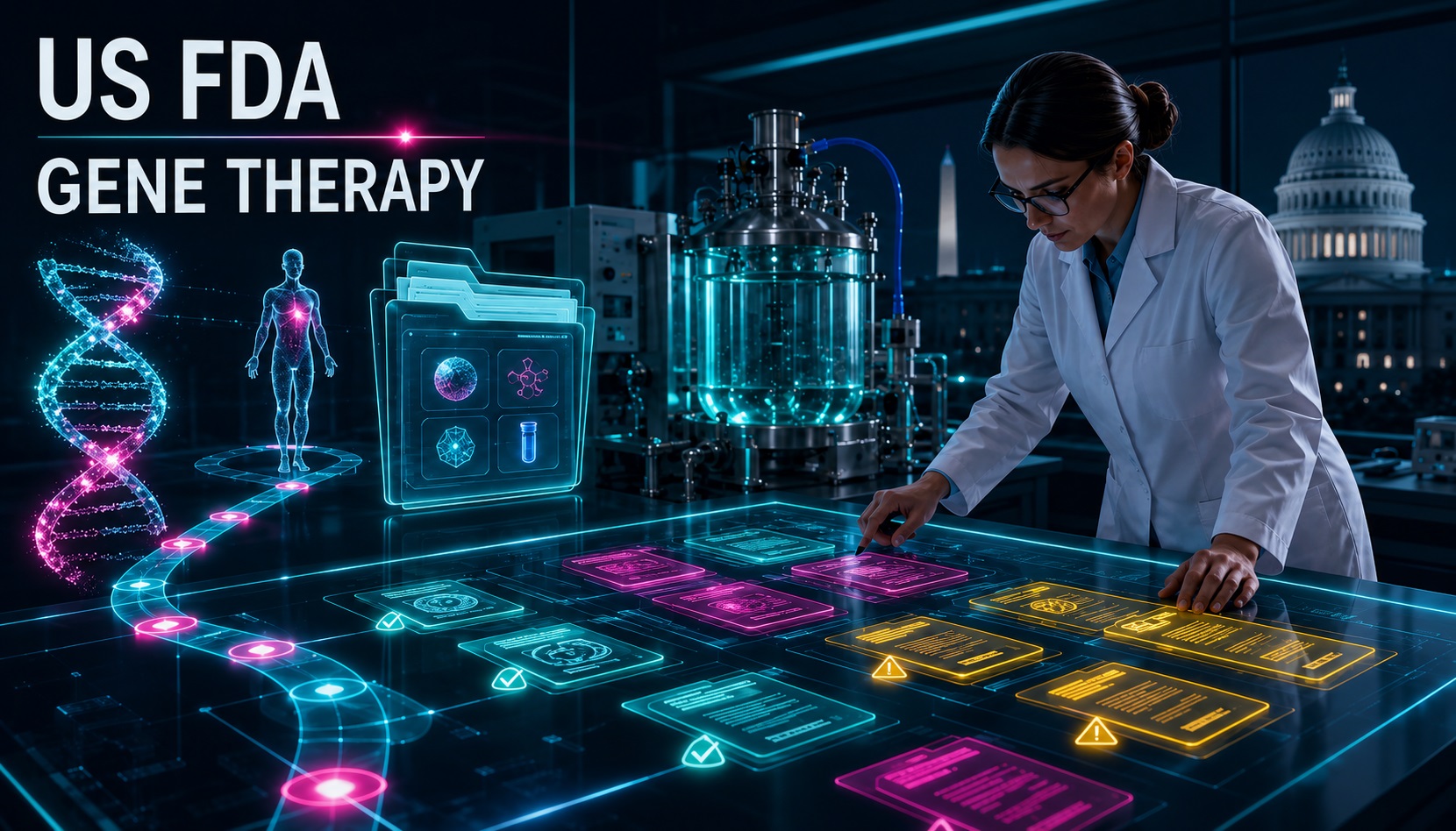
Why Is the US FDA Proposing a Gene Therapy Shortcut?
The US FDA is proposing this 2026 draft guidance to help developers move faster in rare and life-threatening diseases. The approach allows companies to use existing scientific knowledge when it is relevant and justified. This may support smarter development plans, reduce unnecessary duplication, and help promising cell and gene therapies reach patients with urgent unmet medical needs.
How Could This Change Advanced Therapy Development?
This proposal could create a more flexible path for cell and gene therapy development. The positive point is clear: companies may save time by using existing CMC, nonclinical, and clinical knowledge. However, the risk is also important. Poor justification, weak comparability, or incomplete documentation could delay reviews. Therefore, teams must prove that prior knowledge is scientifically relevant, reliable, and suitable for each product.
Why Does This News Matter for Pharma Professionals?
This news matters because it connects regulatory flexibility with advanced therapy development. Pharma professionals must understand how prior knowledge can support faster submissions while still protecting patient safety, product quality, documentation strength, and regulatory trust.
Regulatory Affairs Teams
Regulatory teams should study this guidance because it may change submission planning for rare disease therapies. Prior knowledge could support stronger arguments, but only with clear scientific justification.
- Map prior knowledge to each regulatory claim.
- Prepare strong justification before submission.
CMC and Manufacturing Teams
CMC teams should watch this proposal because manufacturing comparability may become more important. Process knowledge, control strategy, and product understanding must support any shortcut based on prior data.
- Document product and process similarities.
- Strengthen control strategy evidence early.
Cell and Gene Therapy Developers
Cell and gene therapy developers can benefit from faster development routes. However, they must connect platform knowledge, clinical relevance, and safety evidence before relying on existing scientific data.
- Compare products, platforms, and mechanisms carefully.
- Align development plans with FDA expectations.
What Could 2026 FDA Guidance Change Next?
The 2026 draft guidance could help rare disease developers design faster and smarter development programs. It may reduce repeated work when prior knowledge is strong. However, FDA expectations will still require scientific rigor. Pharma teams should watch final guidance updates, reviewer feedback, and early approval cases to understand real impact.
Build stronger regulatory and pharma development skills with Pharmuni. Explore Pharmuni courses on regulatory affairs, GMP, and pharma compliance to understand how guidance, documentation, and quality systems shape product success.
Want to understand how FDA shortcuts shape real regulatory work? Read Pharmuni’s blog NDA Regulatory Affairs in 2026: Process, Docs & RA Role and build submission, documentation, and compliance skills today for rare disease therapy development.