

CDSCO adverse reaction monitoring requirements changed through a June 3, 2026 directive. Manufacturers, marketers, and importers must establish formal pharmacovigilance systems immediately. The directive reinforces Schedule M and the 2019 New Drugs and Clinical Trials Rules. Weak procedures can delay reports and undermine post-market drug safety surveillance. Routine inspections will examine officers, records, SOPs, and reporting compliance.
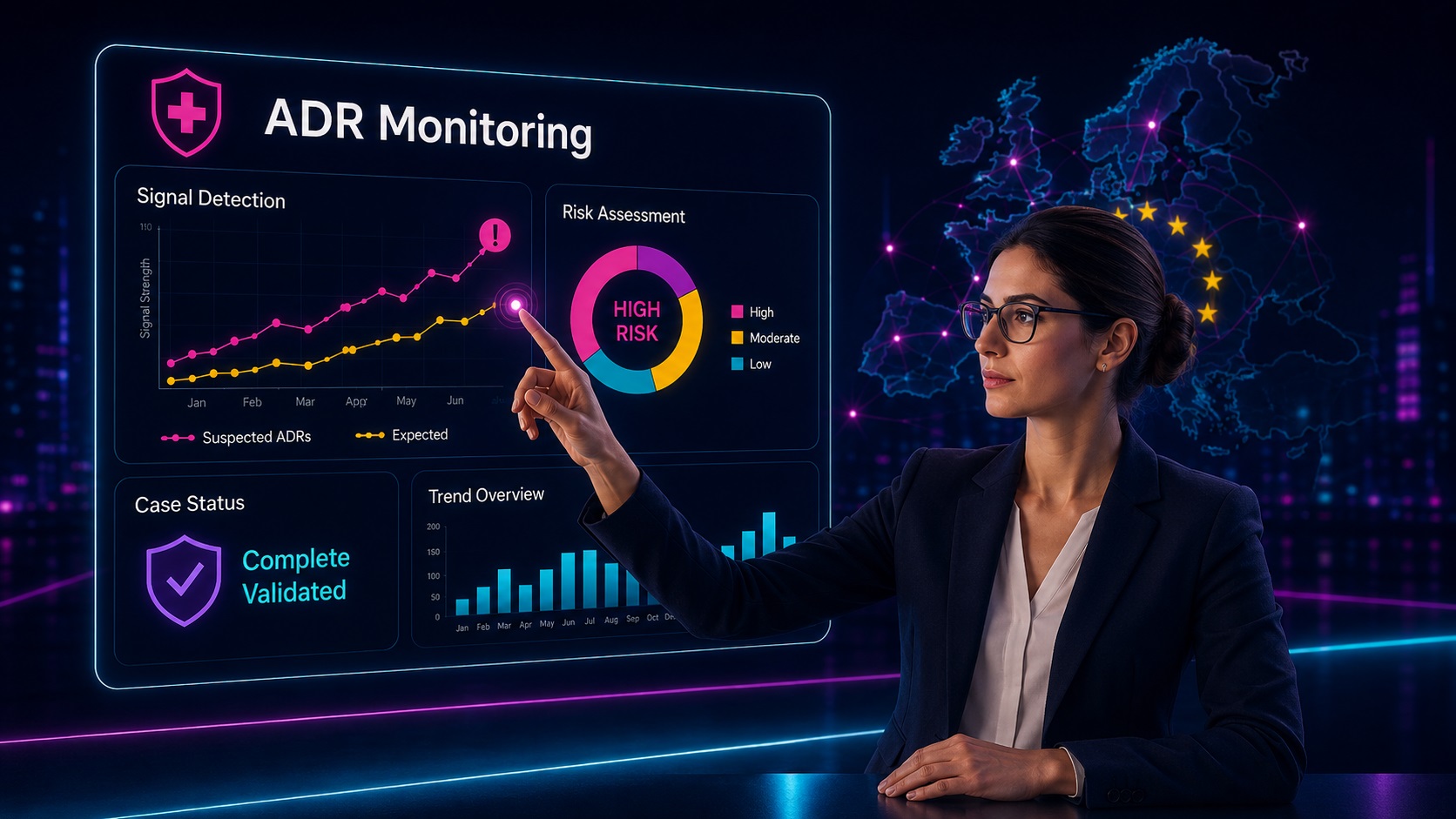
Why Is CDSCO Adverse Reaction Monitoring Strengthening?
Disconnected adverse-event processes can leave serious cases incomplete, delayed, or invisible across company functions. On June 3, 2026, CDSCO instructed pharmaceutical manufacturers, marketers, and importers to maintain formal pharmacovigilance systems. The directive connects Schedule M, marketing authorisation holders, qualified drug safety officers, and ADR records. It aims to improve nationwide collection, processing, forwarding, and consistent regulatory oversight of reported reactions.
Stronger Monitoring Will Reshape Indian Pharmacovigilance
CDSCO adverse reaction monitoring inspections may expose missing SOPs, weak safety databases, delayed escalation, and unclear responsibilities among pharmaceutical manufacturers. Smaller companies could face higher staffing, training, and technology costs. However, stronger coordination between Quality Assurance, Regulatory Affairs, Medical Affairs, and PvPI may improve case quality and signal management. Better systems can support faster reporting, stronger patient protection, clearer accountability, and more pharmacovigilance employment opportunities across India’s regulated pharmaceutical sector.
CDSCO, MedDRA, and ICSR Skills Gain Value
CDSCO, MedDRA, and ICSR knowledge now connect regulatory compliance with career readiness. Pharmacovigilance professionals need stronger operational skills, while graduates and international job seekers must show employers they can support documented reporting, inspection preparation, and reliable patient-safety decisions in practice.
Why PV Professionals Need Stronger ICSR Skills
The CDSCO directive increases demand for accurate ICSR processing, MedDRA coding, case validation, seriousness assessment, expectedness review, causality assessment, and disciplined follow-up management across company safety workflows and vendor networks.
- Review serious and unexpected case-reporting requirements before processing new reports.
- Practise MedDRA coding, case validation, follow-up, and narrative writing regularly.
How QA and Regulatory Teams Are Affected
Quality Assurance and Regulatory Affairs teams must connect ADR procedures with SOP control, CAPA, training records, quality agreements, vendor oversight, document control, PSUR management, and inspection evidence across licensed operations.
- Audit ADR procedures, safety records, training evidence, and database controls.
- Confirm that vendors and quality agreements define pharmacovigilance responsibilities clearly.
Why International Job Seekers Should Prepare
International job seekers can use this change to demonstrate current knowledge of pharmacovigilance in India, drug safety careers, regulatory expectations, resume evidence, and interview-ready compliance examples for international pharmaceutical employers.
- Add ICSR processing, MedDRA, and signal-management competencies to your resume.
- Prepare interview examples involving ADR reporting, compliance risks, and inspection readiness.
What Results Could Stronger ADR Monitoring Produce?
From June 3, 2026, stronger ADR monitoring could reduce reporting gaps and improve inspection evidence. Better case collection may strengthen signal detection and patient protection. Companies may also need more trained drug safety officers, creating opportunities in ICSR processing, quality oversight, regulatory operations, and pharmacovigilance jobs in India and abroad.
Strengthen your drug-safety readiness today. Read Adverse Event Reporting in 2026: AE, FAERS, EU Guide. Build practical ADR, ICSR, MedDRA, inspection, and reporting skills with Pharmuni for global compliance.