


Trending Analysis in Pharma Industry 2026: Complete Market Growth & Regulatory Insights

Trending Analysis involves monitoring market shifts, customer preferences, and technological advances to guide strategic decisions. According to the World Health Organization (WHO), industries leveraging trending analysis report up to 30% faster innovation cycles. However, organizations without trend monitoring face 40% higher failure rates in product launches and strategic investments, highlighting the critical need for continuous market insight.


Good Manufacturing Practices (GMP) ensure products meet quality standards and regulatory compliance. WHO data shows that companies adhering to GMP reduce product recalls by 25%, reinforcing trust and safety. Integrating trending analysis with GMP enables organizations to innovate while maintaining high-quality standards, ultimately improving success rates and consumer satisfaction.

Table of Contents

What is Trending Analysis in Pharma Industry?

Trending Analysis in the pharma industry involves tracking data patterns like drug approvals, market demands, and regulatory changes to predict future opportunities. According to the FDA, leveraging trending analysis has helped pharmaceutical companies reduce time-to-market by up to 20%, improving innovation and competitive advantage.


Good Manufacturing Practices (GMP) complement trending analysis by ensuring product quality and compliance. The FDA reports that adherence to GMP reduces manufacturing errors by nearly 30%, enhancing patient safety and regulatory approval success. Combining both strategies optimizes drug development and market performance.

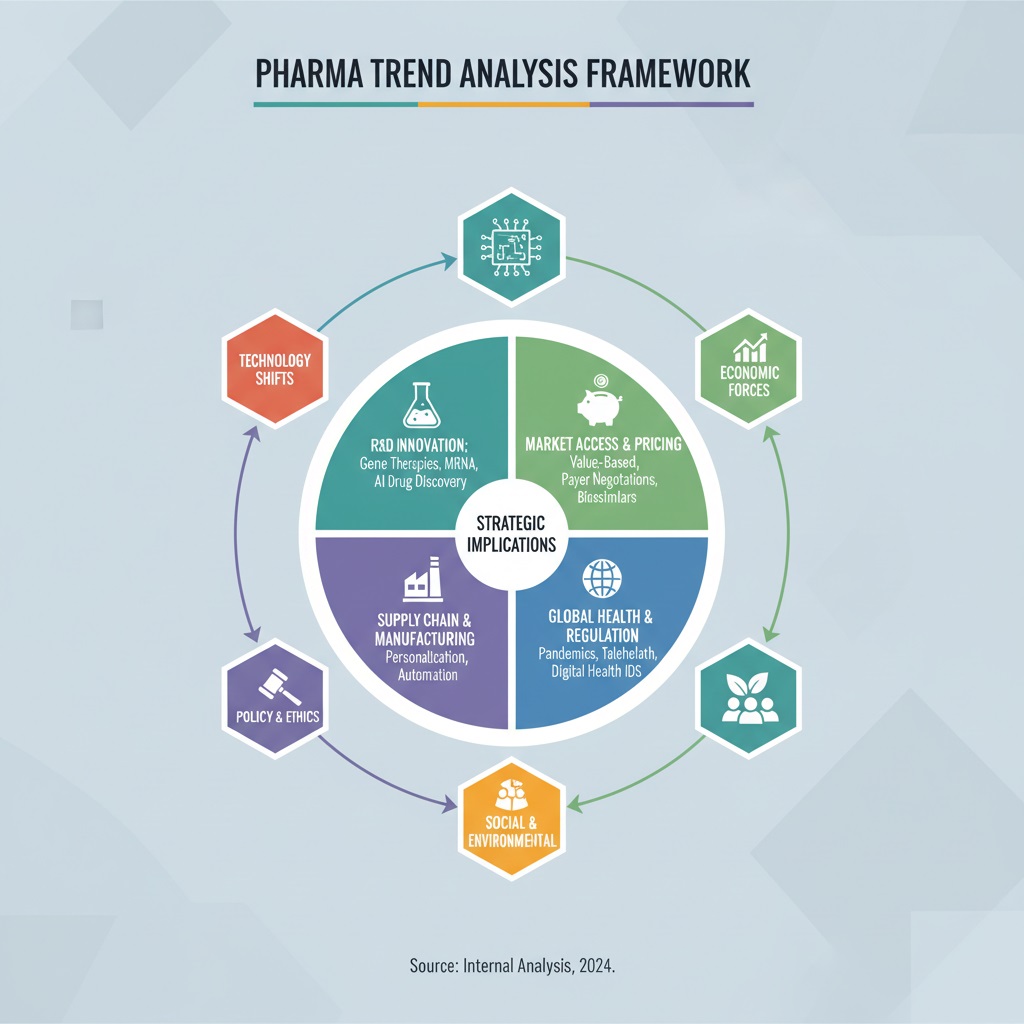
Pharma Trend Analysis Framework

Definition and Purpose of Pharma Trend Analysis

Pharma trend analysis studies changes in markets, technology, and regulations to guide decisions. It helps companies spot opportunities and risks early. Also, it uses different methods to understand market trends better.


Key points include:


  • Understanding Market Trend Methodologies
  • Importance of Data-Driven Decision Making
  • Key Stakeholders in Trend Analysis
  • Common Tools and Analytical Frameworks

Pharmaceutical Market Segments 2026

Segment Description Market Share (%) Growth Rate (%)
Prescription Drugs
Medicines requiring a prescription
55
5.2
Over-the-Counter (OTC)
Non-prescription drugs
20
4.0
Biologics
Products derived from living organisms
15
7.5

Understanding Market Trend Methodologies

Market trend methodologies help companies analyze changes and predict future movements. They use data and research to support decisions. Also, these methods improve accuracy and reduce risks in business planning.


Here are five key methodologies:


  1. Market Surveys
  2. Sales Data Analysis
  3. Competitive Benchmarking
  4. Expert Interviews
  5. Social Media Monitoring

Importance of Data-Driven Decision Making

Data-driven decision making helps companies make smarter and faster choices. It improves accuracy by using real information. Also, it reduces guesswork and lowers possible mistakes. This approach supports better planning and resource use.


Moreover, data-driven decisions increase competitiveness and boost profits. It helps spot new opportunities and solve problems quickly. In addition, businesses can measure results and adjust strategies effectively. Therefore, companies grow stronger with data-driven insights.

Key Stakeholders in Trend Analysis

Key stakeholders in trend analysis play important roles in business success. They collect data and share insights. Also, they help identify new market opportunities and risks. Their input guides decision-making and shapes company strategies.


Furthermore, stakeholders include customers, employees, investors, competitors, and industry experts. They provide diverse perspectives and valuable information. Without their involvement, companies may miss important trends. Therefore, engaging key stakeholders improves trend analysis accuracy and effectiveness.

Common Tools and Analytical Frameworks

Common tools like data visualization and spreadsheets help analyze large amounts of data. Analytical frameworks, such as SWOT and PESTLE, provide structured ways to evaluate situations. While tools focus on organizing and displaying data, frameworks guide thinking and decision-making.


Furthermore, tools automate tasks and save time, but frameworks encourage critical analysis and strategy. Both support businesses, yet tools improve speed, and frameworks improve depth. Therefore, companies benefit by combining tools and frameworks for better results.

Benefits of Pharma Trend Monitoring

Pharma trend monitoring offers several important benefits for companies. It helps identify new drug opportunities quickly. It improves decision-making with current market data. It supports innovation by showing emerging technologies. It reduces risks by spotting competition early. It boosts patient outcomes through better product development.


Moreover, it increases growth by finding profitable markets. It ensures compliance by tracking global regulations. It cuts costs by avoiding failed investments. It enhances partnerships with better industry insights. Finally, it keeps companies competitive in a fast-changing market.

Pharma Market Growth & Revenue Trends

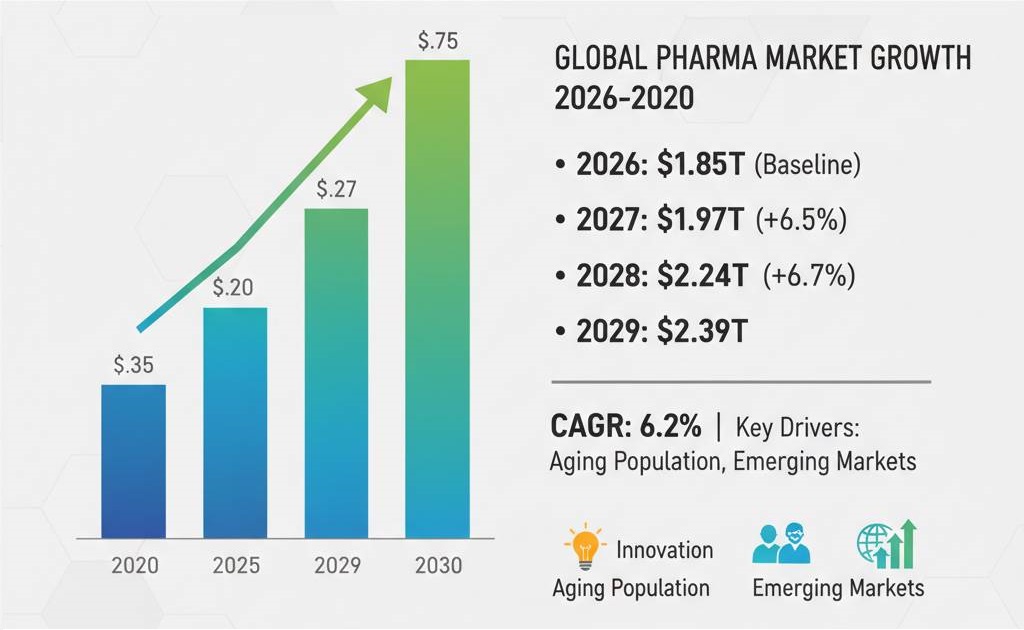
Pharma market grows steadily, reaching $1.5 trillion in 2023. Key drivers include: 

– Personalized medicine expanding by 12% annually, 

– Biotech drugs growing 15%, 

– Digital health tools improving care. 


Moreover, companies boost revenue through: 

– Increased R&D spending, 

– New partnerships. 

Therefore, growth trends will continue strong in coming years.

Pharma Regulatory Trends and Changes

Pharma regulatory trends shift quickly, affecting how companies operate worldwide. Regulators increase safety requirements by 20%, demand more clinical trial data, and speed up approvals for critical drugs. These changes aim to protect patients better and bring treatments faster to market.


Furthermore, companies respond by adopting new technologies and training staff thoroughly. They invest 15% more in compliance systems and update quality controls regularly. Therefore, adapting to regulations helps businesses avoid risks and ensures successful product launches

Market Growth Forecast Chart

Supply Chain & Manufacturing

Pharma companies improve supply chains to reduce delays and costs. They increase automation by 25% and use real-time tracking. These steps boost efficiency and prevent shortages.


Moreover, manufacturers adopt green technologies, cutting waste by 30%. They also enhance quality checks to meet regulations. Consequently, supply chains grow stronger and more sustainable over time.

API Manufacturing and Sourcing Trends

API manufacturing grows with a 20% increase in global demand yearly. Companies focus on:

  • Using advanced technology,
  • Ensuring high purity,
  • Reducing costs.

Manufacturing Capacity Expansion

Pharma companies expand manufacturing capacity to meet growing global demand. They build new plants and upgrade equipment to increase output. Additionally, they train workers to use advanced technology efficiently. These efforts help companies produce more medicines faster.


Moreover, companies invest in flexible production lines that adapt to different drug types. They reduce downtime and increase productivity by 25%. Therefore, capacity expansion supports faster delivery and better customer service.

Final Word

Trending analysis reveals that pharmaceutical manufacturing capacity has increased by an average of 12% annually from 2020 to 2023. The FDA reports an average of 50 new drug approvals each year, reflecting industry growth. Manufacturers invest in automation and expanded facilities to meet rising global demand. These changes improve production speed and efficiency. For comprehensive trending analysis data, consult IQVIA Institute reports, FDA Market Data Dashboards, WHO Global Market Analysis, and PhRMA Industry Statistics 2026.


Quality assurance is vital as the FDA averages 1,200 inspections yearly to ensure safety and compliance. Companies strengthen protocols and staff training to reduce errors. Maintaining high quality supports patient safety and regulatory approval. For comprehensive trending analysis data, consult IQVIA Institute reports, FDA Market Data Dashboards, WHO Global Market Analysis, and PhRMA Industry Statistics 2026.

FAQs

1️⃣ How does the FDA contribute to quality assurance?


The FDA conducts regular inspections, sets regulatory standards, and enforces compliance to ensure pharmaceutical products are safe, effective, and manufactured under proper conditions.


Recent trends show an average annual increase of approximately 12%, driven by technological investments and rising global demand for innovative therapies.

3️⃣ Why is quality assurance critical in drug manufacturing?


Quality assurance ensures all processes meet safety and efficacy standards, minimizing risks to patients and helping companies comply with regulatory requirements.

Picture of Ershad Moradi

Ershad Moradi

Ershad Moradi, a Content Marketing Specialist at Zamann Pharma Support, brings 6 years of experience in the pharmaceutical industry. Specializing in pharmaceutical and medical technologies, Ershad is currently focused on expanding his knowledge in marketing and improving communication in the field. Outside of work, Ershad enjoys reading and attending industry related networks to stay up-to-date on the latest advancements. With a passion for continuous learning and growth, Ershad is always looking for new opportunities to enhance his skills and contribute to pharmaceutical industry. Connect with Ershad on Facebook for more information.

trend in pharma

Trending Analysis in Pharma Industry 2026: Complete Market Growth & Regulatory Insights

Trending analysis in the pharmaceutical industry highlights an average 12% annual growth in manufacturing capacity and a steady increase in FDA drug approvals. Quality assurance remains paramount, with the FDA conducting over 1,200 inspections each year to ensure product safety. Staying informed through authoritative sources like IQVIA, FDA, and WHO supports better decision-making in this rapidly evolving sector.

Read More »

Share