


Key Performance Indicator (KPI) Guide for Pharmaceutical Industry 2026 : Complete Quality Metrics

Approximately 30% of FDA Warning Letters cite inadequate monitoring of Key Performance Indicators (KPIs) as a major compliance issue, underscoring their critical role in pharmaceutical operations. KPIs provide measurable data that help companies track process efficiency, product quality, and regulatory adherence. Without clear KPIs, firms risk missing early warnings of deviations that can impact patient safety and lead to costly regulatory actions.


Effective pharma quality management relies on understanding and utilizing KPIs to drive continuous improvement. The WHO emphasizes that monitoring KPIs supports risk management and ensures consistent product quality. Adopting KPI-driven strategies strengthens compliance, enhances decision-making, and ultimately safeguards public health.

Table of Contents

What is Key Performance Indicator (KPI)?

A Key Performance Indicator (KPI) measures how well a company achieves its goals. It shows progress clearly and helps teams focus on important tasks. Also, KPIs enable quick decision-making to improve performance. For example, a company might track the time to complete production or the number of quality issues.


To use KPIs effectively, follow these technical guidelines: 

  • Set clear, specific targets everyone understands.
  • Measure data regularly to see trends and changes.
  • Review results and adjust actions to improve outcomes.

By doing this, companies can reach their goals efficiently.

Understanding the Role of KPIs in Pharmaceutical Quality Systems

KPIs play a vital role in pharmaceutical quality systems by tracking performance and ensuring compliance. They help identify problems early and guide improvements. Also, KPIs support consistent product quality and patient safety according to ICH guidelines.


ICH emphasizes clear KPI standards to maintain high-quality processes. To implement KPIs successfully: 

  • Define relevant metrics linked to quality objectives.
  • Monitor and analyze data frequently to drive continuous improvement.

These actions enhance overall pharma quality management and regulatory readiness.

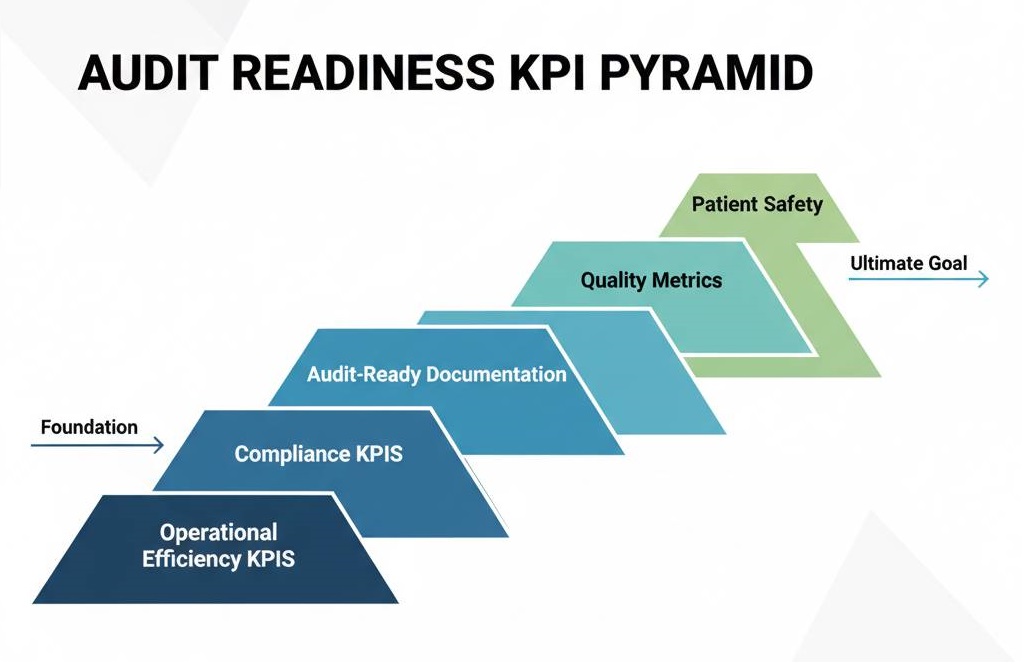
KPI Pyramid for Audit Readiness

Main Steps for Effective KPI Design in Pharma

Effective KPI design in pharma starts by defining clear quality objectives focused on patient safety. Then, ensure each KPI meets SMART criteria—specific, measurable, achievable, relevant, and time-bound. Also, link KPIs with data integrity principles like ALCOA+.


Next, set baseline and benchmark values for accurate performance comparison. Finally, develop review and escalation protocols to address issues quickly. Follow these steps for strong KPI implementation: 

Step 1 Define clear quality objectives aligned with patient safety. 

Step 2 Ensure SMART criteria are met for each KPI. 

Step 3 Align KPIs with data integrity (ALCOA+) principles. 

Step 4 Establish baseline and benchmark values. 

Step 5 Design review and escalation protocols.

KPI Master List for Compliance

KPI Name Description Measurement Frequency Responsible Team
Regulatory Submission Timeliness
Percentage of submissions on time
Monthly
Regulatory Affairs
CAPA Closure Rate
Percentage of Corrective Actions closed on time
Monthly
Quality Assurance
Audit Findings Closed
Percentage of audit findings resolved
Quarterly
Compliance

Step 1: Define Clear Quality Objectives Aligned with Patient Safety

Defining clear quality objectives helps ensure patient safety in all processes. First, set measurable goals that focus on reducing errors and risks. Next, track performance using key indicators to maintain high standards. Finally, communicate objectives to all team members for consistent understanding and execution.

Key objectives include: 

  • Achieve less than 1% product defects monthly.
  • Reduce medication errors by 20% annually.
  • Complete 100% of safety training on time.

Step 2: Ensure SMART Criteria Are Met for Each KPI

Ensure SMART criteria guide each KPI to improve patient safety effectively. Clearly define Specific, Measurable, Achievable, Relevant, and Time-bound goals. Also, regularly review progress and adjust targets to stay on track.


Key criteria include: 

  • Set specific targets like “reduce errors by 10%.”
  • Measure results monthly with accurate data.
  • Choose achievable goals based on resources.
  • Align goals with patient safety priorities.
  • Establish deadlines within six months.


By following SMART rules, teams improve focus and results consistently.

Step 3: Align KPIs with Data Integrity (ALCOA+) Principles

Align KPIs with ALCOA+ principles to ensure data integrity and patient safety. First, define KPIs that capture data Accuracy, Legibility, and Completeness. Next, verify data Consistency and Accountability during collection and analysis.


Key points include: 

  • Achieve 100% accurate data entry in all records.
  • Maintain data traceability for 100% of patient information.


This alignment strengthens decision-making and builds trust in healthcare processes.

Step 4: Establish Baseline and Benchmark Values

Establish baseline values to understand current performance levels clearly. Then, use benchmarks to compare results with industry standards and improve patient safety.


Important steps include: 

  • Collect initial data for 30 days to set baselines.
  • Compare KPIs against top 10% industry benchmarks quarterly.


These actions help teams identify gaps and enhance quality consistently.

Step 5: Design Review and Escalation Protocols

Design review protocols to evaluate KPI results regularly and ensure quick action. Also, create escalation protocols to address issues promptly and prevent harm.


Key steps include: 

– Review KPI data weekly with clear criteria for alerts. 

– Escalate issues exceeding thresholds within 24 hours to management. 


Together, these protocols improve response times and patient safety outcomes.

Pharma Manufacturing KPIs

Optimize batch cycle time by identifying delays and improving process flow consistently. Also, monitor Equipment OEE to maximize machine performance and reduce downtime.

Key strategies include: 

  • Analyze cycle times daily and eliminate bottlenecks immediately.
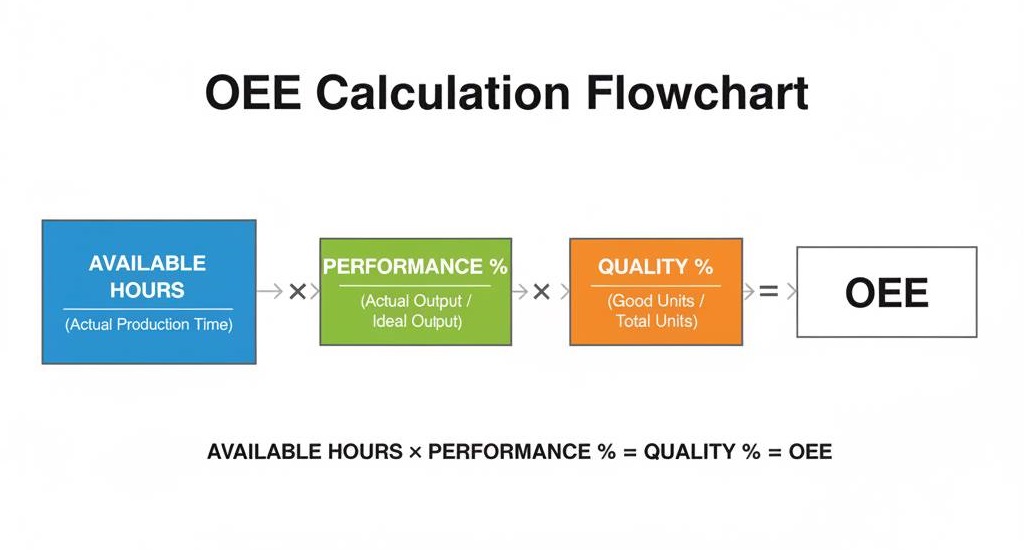
  • Track equipment availability, performance, and quality for 95% OEE target.


Batch Cycle Time Optimization Strategies

To optimize batch cycle time, analyze each step and remove unnecessary delays. Also, standardize processes to ensure consistent results and faster completion.


Follow these guidelines: 

  • Measure cycle time accurately using real-time data tools.
  • Train operators on best practices to reduce variability.
  • Use automation to speed up repetitive tasks efficiently.


These strategies improve production speed and reduce costs effectively.

Equipment OEE (Overall Equipment Effectiveness) in Pharma

Improve Equipment OEE by tracking machine availability, performance, and quality in real time. Also, maintain equipment regularly to prevent unexpected breakdowns and maximize uptime.

Use these technical guidelines: 

– Collect accurate data using automated monitoring systems. 

– Schedule preventive maintenance to avoid downtime. 

– Train staff to operate machines efficiently and follow protocols. 

OEE Calculation Flowchart

Technical Topics in Pharma KPI Management

Manage pharma KPIs by setting clear goals and tracking relevant data regularly. Also, analyze trends to identify improvement opportunities and address issues quickly.

Follow these technical guidelines: 

– Define KPIs that align with production and quality objectives. 

– Use reliable software to collect and visualize KPI data. 

– Train teams on KPI importance and data interpretation. 

– Review KPI results in regular performance meetings. 


Final Word

Approximately 30% of FDA Warning Letters highlight inadequate monitoring of KPIs as a key compliance issue in pharma. These indicators track efficiency, quality, and regulatory adherence. Without KPIs, companies risk missing early deviations that harm patient safety and cause costly FDA actions. For example, aiming for less than 1% product defects monthly reduces risks and ensures compliance.


Key Performance Indicator (KPI) in pharma industry drives quality management and regulatory readiness. EMA and ICH recommend aligning KPIs with SMART criteria and ALCOA+ principles to ensure data integrity. Also, companies should set clear targets, baseline benchmarks, and conduct regular reviews. These steps strengthen patient safety, support risk management, and improve decision-making in pharmaceutical manufacturing.

FAQs

1️⃣ What is a Key Performance Indicator (KPI) in pharmaceutical quality management?


A KPI is a measurable value that demonstrates how effectively a company is achieving its key quality and operational goals, helping focus efforts and drive performance improvements.

2️⃣ Why are KPIs critical according to FDA and WHO in pharmaceutical manufacturing?

KPIs enable early detection of deviations, support risk management, ensure consistent product quality, and help comply with regulatory requirements, thereby protecting patient safety.

3️⃣ How can pharma companies design effective KPIs?

Effective KPIs should be SMART (Specific, Measurable, Achievable, Relevant, Time-bound), aligned with quality objectives, comply with data integrity principles (ALCOA+), and include clear review and escalation protocols.

Picture of Ershad Moradi

Ershad Moradi

Ershad Moradi, a Content Marketing Specialist at Zamann Pharma Support, brings 6 years of experience in the pharmaceutical industry. Specializing in pharmaceutical and medical technologies, Ershad is currently focused on expanding his knowledge in marketing and improving communication in the field. Outside of work, Ershad enjoys reading and attending industry related networks to stay up-to-date on the latest advancements. With a passion for continuous learning and growth, Ershad is always looking for new opportunities to enhance his skills and contribute to pharmaceutical industry. Connect with Ershad on Facebook for more information.

Key Performance Indicators

Key Performance Indicator (KPI) Guide for Pharmaceutical Industry 2026 : Complete Quality Metrics

Approximately 30% of FDA Warning Letters cite inadequate monitoring of Key Performance Indicators (KPIs) as a major compliance issue, highlighting their crucial role in pharmaceutical operations. KPIs provide measurable data to track process efficiency, product quality, and regulatory adherence. Proper KPI management supports risk mitigation, enhances decision-making, and ensures patient safety.

Read More »
GMP and SOP

GMP SOPs Guide 2026: Master the Ultimate Compliance Framework for Pharma Excellence

Discover how mastering the GMP SOP framework drives pharmaceutical excellence. This guide explains why SOPs are living documents requiring ongoing updates, training, and reviews to maintain compliance and safeguard product quality. Learn key components, best practices, and global regulatory insights that empower pharma companies to excel in quality assurance and regulatory readiness.

Read More »

Share