
Features
Topics
Discover

Unlock the potential of your career in the Pharma industry with our online courses and qualifications.

Career Path

Pick a career path, follow its guided course roadmap, and secure industry-verified credentials in a few months.

Courses

Earn career credentials from industry leaders that demonstrate your expertise.

Pharma Industrial Training Certificate: Career Outcomes, Jobs, and ROI (2025)

The global pharmaceutical market is currently worth around USD 1.6 trillion and is expected to grow at a 6% annual rate until 2030. As the market expands, the demand for skilled professionals in pharmaceutical manufacturing continues to rise. However, many companies face a significant skills gap, with 80% of pharma manufacturers reporting a mismatch between the skills of their workforce and the evolving needs of the industry. 

A Pharma Certificate not only prepares you to meet the demands of the industry but also provides you with the qualifications needed to stand out in a competitive job market.

Table of Contents

What Is a Certificate in Pharmaceutical Manufacturing?

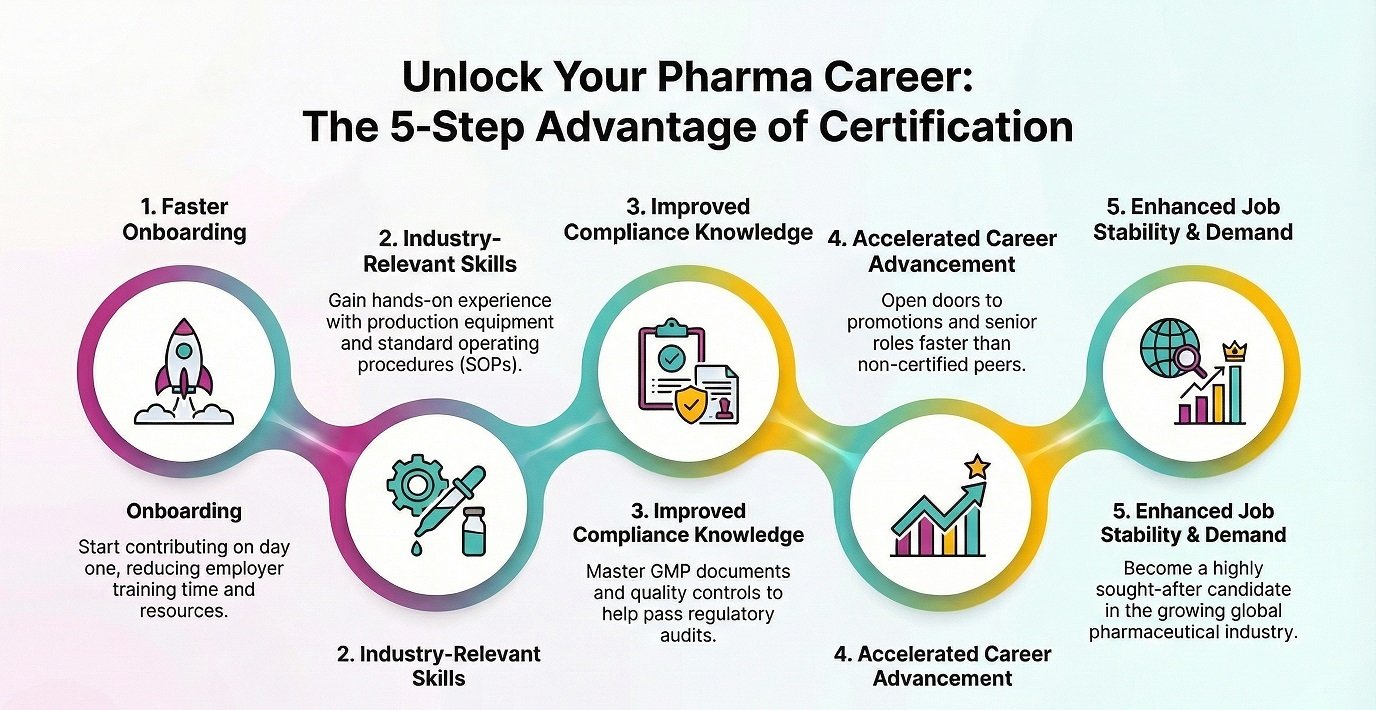
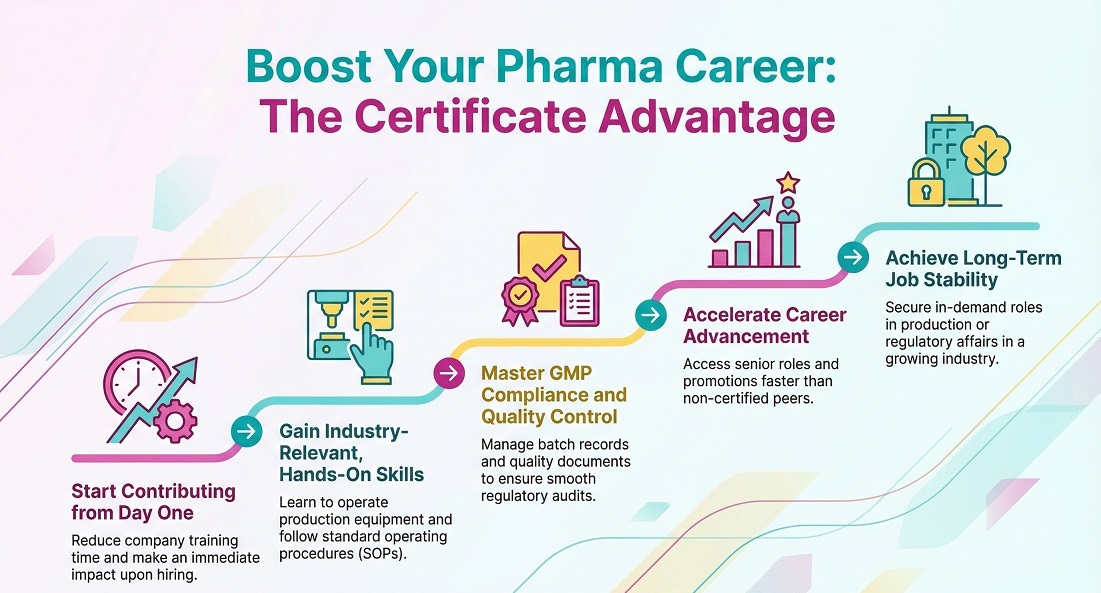
A pharmaceutical manufacturing certificate provides a direct pathway to career advancement in the pharmaceutical industry. This certificate not only gives you practical skills that are immediately applicable in the workplace but also increases your attractiveness to employers who value candidates with hands-on experience. Here’s how a Pharma Certificate can give your career the boost it needs:

Why Employers Value Industrial Training Certificates?

Employers are increasingly seeking candidates who are job-ready from day one, and a Pharma Industrial Training Certificate gives candidates exactly that. It ensures they are equipped with the practical skills needed to thrive in the pharmaceutical industry. Here are the key reasons why employers value this certificate:

  • Industry-Relevant GMP Knowledge

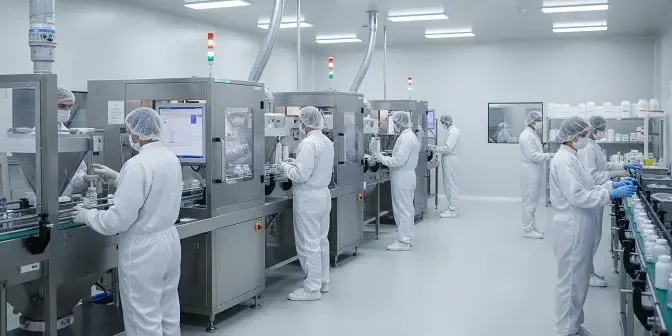
  • Practical Skills for Manufacturing Floors

  • Better Documentation and Compliance Skills

  • Fast Adaptation to Shift Work and Production Schedules

Accelerate your career with hands-on skills and industry-ready knowledge
Boost your employability, job stability, and career growth with a pharmaceutical manufacturing certificate

Core Topics in a Certificate in Pharmaceutical Manufacturing

With this certificate, you gain an in-depth understanding of Good Manufacturing Practices (GMP), which is essential for maintaining quality and compliance in pharmaceutical production. This knowledge is crucial for ensuring products meet regulatory standards and pass inspections.

  • Learn how to apply GMP standards across the entire production cycle.

  • Understand regulatory requirements (FDA, EMA, WHO) and how to stay compliant.

  • Get familiar with how GMP guidelines are implemented on the shop floor and in documentation.

Practical Skills for Manufacturing Floors

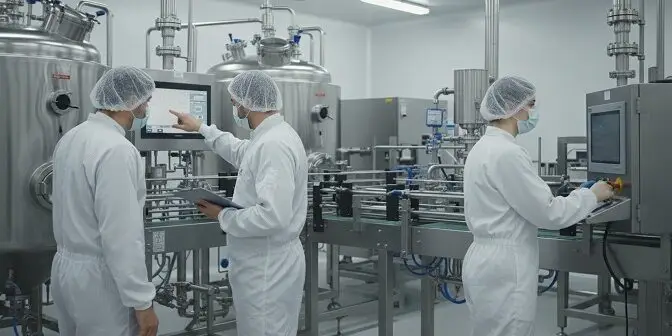
The certificate provides hands-on experience with real-world manufacturing processes, helping you master essential skills for operating equipment and working on production lines.

  • Gain experience with production equipment and machinery.

  • Understand production processes, including raw material handling and finished product formulation.

  • Learn how to perform cleaning, line clearance, and other tasks to ensure product quality.

Better Documentation and Compliance Skills

In the pharma industry, proper documentation is essential for maintaining compliance. The certificate teaches you how to maintain accurate records, write batch records, and comply with GMP regulations.

  • Understand the importance of documentation in ensuring product safety.

  • Learn how to create and manage batch records and production logs.

  • Stay on top of quality assurance protocols to ensure regulatory compliance.

Fast Adaptation to Shift Work and Production Schedules

A GMP certification for pharma opens doors to a variety of entry-level roles in the pharmaceutical industry. Here are some examples:

Entry-Level Jobs You Can Get After This Certificate

Not every certificate in GMP and quality control suits every learner. You should match the program to your goals, your current level, and your available time. The right choice saves frustration and increases your chance of finishing strong.

When you compare options, you can:

  • Check that the curriculum covers GMP, processes, documentation, and QA/QC in enough depth.

  • Review instructor profiles and look for strong industry experience in pharma manufacturing.

Job Role / Title Typical Department Key Responsibilities (Short) Core Skills from Certificate Possible Next Step Role
Production / Manufacturing Operator
Production
Run equipment, follow SOPs
GMP basics, equipment handling
Senior Operator / Line Leader
Manufacturing Technician
Production
Support line setup, cleaning
Cleaning validation, line clearance
Process Technician / Supervisor
QA Assistant
Quality Assurance
Document review, deviation support
Documentation, basic QA concepts
QA Specialist / QA Officer
QC Technician
Quality Control
Sampling, basic lab tests
Sampling, lab safety, data entry
QC Analyst / Senior Technician
Documentation Officer
QA / Compliance
File, track and archive GMP records
GDP, archiving, data integrity
Documentation Specialist / QA Doc

Roles in Production and Manufacturing

A few roles within production and manufacturing that are well-suited for certificate holders include:

  • Production Operator: Run equipment, monitor processes, and ensure product quality.

  • Manufacturing Technician: Assist with production line setup, cleaning, and maintenance.

Roles in Quality and Compliance

Quality and compliance-focused positions are also a great fit for certificate holders, such as:

  • QA Assistant: Monitor compliance with GMP, track deviations, and maintain documentation.

  • QC Technician: Perform tests on materials and finished products, ensuring they meet specifications.

Long-Term ROI and Career Growth Potential

From Entry Level to Leadership Chart Your Career Path with a Pharma Industrial Training Certificate
Start Strong, Grow Faster: How Certification Opens Doors and Elevates Your Pharma Career

One of the most compelling reasons to pursue a Pharma Industrial Training Certificate is its long-term ROI. The pharmaceutical industry offers a variety of career paths with strong salary potential. Let’s look at how this certificate impacts long-term growth:

Salary Range for Pharmaceutical Manufacturing Jobs

As seen in table bellow, having a Pharma Industrial Training Certificate can result in an immediate salary increase of up to 20% for entry-level roles, with opportunities for higher salaries as you advance in your career.

Job Role Average Salary Without Certificate Average Salary With Certificate
Production / Manufacturing Operator
$30,000 – $35,000
$35,000 – $45,000
QA Assistant
$32,000 – $40,000
$38,000 – $50,000
QC Technician
$30,000 – $36,000
$36,000 – $48,000

Final words

A Pharma Industrial Training Certificate is more than just a piece of paper; it’s a pathway to a rewarding career in a growing, stable industry. The training helps you secure jobs quickly, accelerates career growth, and positions you for higher salary bands. As the industry continues to grow, skilled workers with GMP knowledge and hands-on experience will be in high demand. To continue advancing in your pharmaceutical career, explore Pharma Career Paths and discover how you can further enhance your skills with Pharmuni’s tailored courses.

FAQs:

1️⃣ What is a Pharma Industry Training Certificate?

A Pharma Training Certificate is a specialized qualification that provides hands-on experience and training in Good Manufacturing Practices (GMP), quality control, and pharmaceutical production processes. It equips individuals with practical skills essential for various roles in the pharmaceutical industry.

2️⃣ How long does it take to complete a Pharma Industriy Training Certificate?

 Typically, the certificate program can be completed in 3 to 6 months depending on whether it’s an intensive or part-time course. Some programs also offer hands-on training through internships or plant visits, further enhancing your skills.

3️⃣ What jobs can I get with a Pharma Training Certificate?

With this certificate, you can qualify for roles such as Production Operator, Manufacturing Technician, QA Assistant, QC Technician, and Documentation Officer in the pharmaceutical industry. These positions provide a solid foundation for career advancement in the field.

References

Picture of Ershad Moradi
Ershad Moradi

Ershad Moradi, a Content Marketing Specialist at Zamann Pharma Support, brings 6 years of experience in the pharmaceutical industry. Specializing in pharmaceutical and medical technologies, Ershad is currently focused on expanding his knowledge in marketing and improving communication in the field. Outside of work, Ershad enjoys reading and attending industry related networks to stay up-to-date on the latest advancements. With a passion for continuous learning and growth, Ershad is always looking for new opportunities to enhance his skills and contribute to pharmaceutical industry. Connect with Ershad on Facebook for more information.

Computer System Validation in Pharma 2025 Guide 

Computer System Validation in pharma keeps your digital systems reliable, compliant, and inspection ready. In this practical CSV guide for 2025, you learn core regulations (21 CFR Part 11, EU Annex 11, GAMP 5), step-by-step lifecycle activities, documentation expectations, and job-relevant skills so you protect data integrity and support safe, efficient pharmaceutical operations.

Read More »

Share